Exposição de aplicações e casos de utilização na indústria
Palavras-chave de destino:Requeijão de vidro para equipamento de laboratório, forno de vidro para visão industrial, cristalização vidro-cerâmica, requeijão de vidro de precisão
GEO Intenção:Laboratórios de I&D, fundições de vidro especializadas, engenheiros de embalagens farmacêuticas.
Título:5 Aplicações críticas que exigem um forno de vidro industrial de 1000 °C
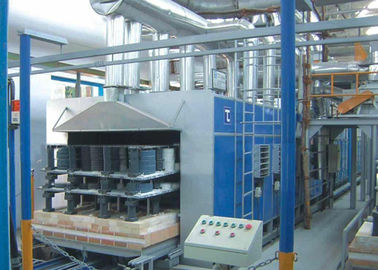
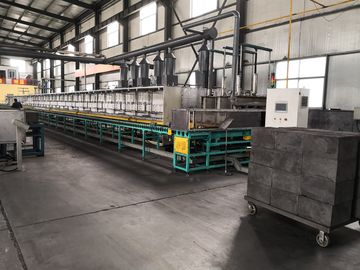
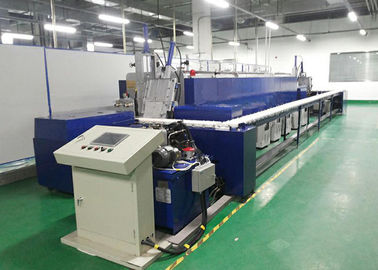
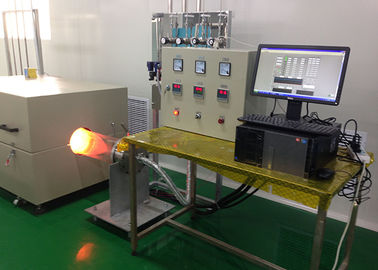
Quando os produtos exigem uma estabilidade dimensional absoluta, zero distorção óptica e resistência ao choque térmico no campo, os fabricantes recorrem a um sistema de aquecimento de vidro que permite a fixação de um nível de resistência ao choque térmico.Forno de vidro industrial de aquecimento a 1000°CAqui estão cinco aplicações de alto valor em que este equipamento não é negociável.
1. Borrosilicato de laboratório (por exemplo, Schott Duran, Pyrex)
O ponto de recozimento do borosilicato é ~ 560 °C, mas o alívio total do estresse para peças sopradas complexas (bobinas, condensadores) requer uma exposição a 1000 °C para o colapso de bolhas microscópicas e homogeneizar a espessura da parede.A parte inferior da lareira permite grandes, conjuntos delicados para serem carregados em ferramentas de cerâmica personalizadas sem flacidez.
2Óculos de visão industriais para recipientes sob pressão
Estas são janelas de espessura (25-50 mm) temperadas ou não temperadas usadas em reatores químicos e caldeiras.Uma imersão a 1000 °C com um descenso lento (< 2 °C/min) é exigida pela secção VIII da ASMEO forno de elevação inferior fornece o perfil de temperatura constante (± 5°C) necessário para a certificação.
3Nucleamento e cristalização vidro-cerâmica
Materiais como o MACOR® ou o Ceran requerem um tratamento térmico em duas fases: manutenção a 850°C para a nucleação, depois rampa a 1000-1050°C para a cristalização.Um forno de elevação de fundo com segmentos programáveis pode executar isso com precisãoA fogueira móvel é essencial para o apagamento rápido de amostras para análise microstrutural.
4Segamentos herméticos vidro-metal (Eletrónica e Aeroespacial)
A vedação do Kovar ou da liga 42 em borosilicato ou vidro de soda-calca requer uma temperatura máxima de 980-1000 °C para que o vidro flua em torno da camada de óxido metálico.O projeto de elevação inferior permite que as peças pré-montadas sejam colocadas sob leve compressão (usando pesos na lareira) durante o ciclo de vedação, assegurando que não haja desalinhamento.
5. Preformas de vidro óptico (lentes e prismas)
Os grandes espaços em branco ópticos (diâmetro superior a 150 mm) devem ser aquecidos com retardo de 5 nm/cm. Isto requer aquecimento e arrefecimento extremamente estáveis.Porque o forno de elevação inferior não tem correntes de ar de uma abertura da porta da frente, a uniformidade térmica em toda a zona de trabalho é superior aos fornos de caixa tradicionais, melhorando directamente a consistência do índice de refração.
Estudo de caso: Fabricante de iluminação especializada
Um produtor de arcos de lâmpadas de descarga de alta intensidade (HID) e envelopes de quartzo substituiu os seus três carregadores superiores por uma única unidade de elevação inferior a 1000 °C. Resultados após seis meses:
-
As focas rejeitadas caíram de 8% para 2,1%.
-
Energia por lote reduzida em 36% devido ao carregamento mais rápido.
-
Lesões no local de trabalho relacionadas com o levantamento de aparelhos quentes: zero.
Quer estejamos a requeirar uma lente óptica de 10 g ou uma válvula industrial de 200 kg,A combinação de ergonomia de elevação inferior e capacidade térmica de 1000 °C garante que o seu vidro atinja a sua máxima resistência e clareza teóricasFaça o download do nosso guia de candidatura para mais detalhes.


 Por favor verifique seu email!